Book cover: History of Nootropics: Plants to Piracetam by Eric Matzner

A book in progress by Eric Matzner

History of Nootropics: Plants to Piracetam

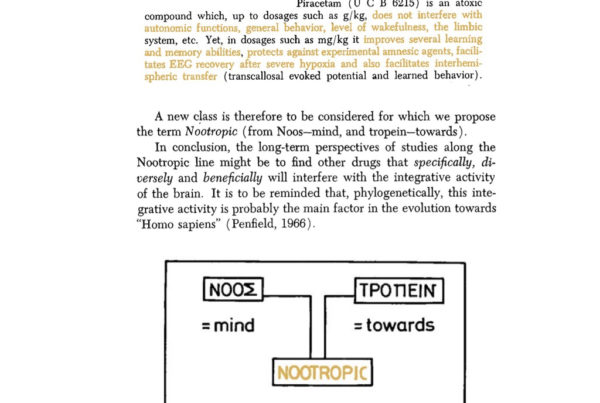
The concept for this book originally derived from a talk and is a work in progress (see blog post below). This "book" seeks to answer some of the questions about "why" molecules that plants make work in humans, how cognitive enhancers have shaped the course of history, how the nootropic concept was coined, and where we are today.
Read the chapter summariesWatch the talks

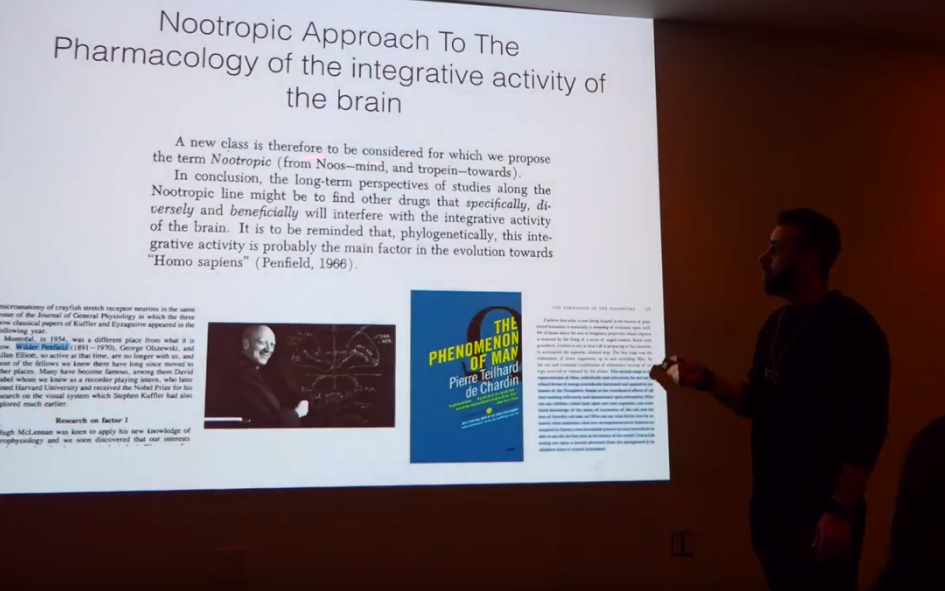
Talks

What the book covers

Here are some tidbits and intriguing topics the book covers:
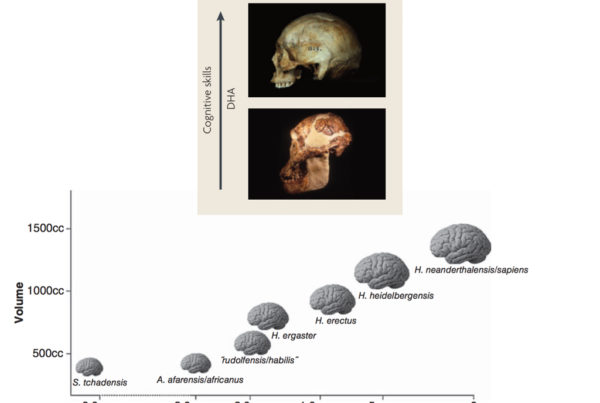
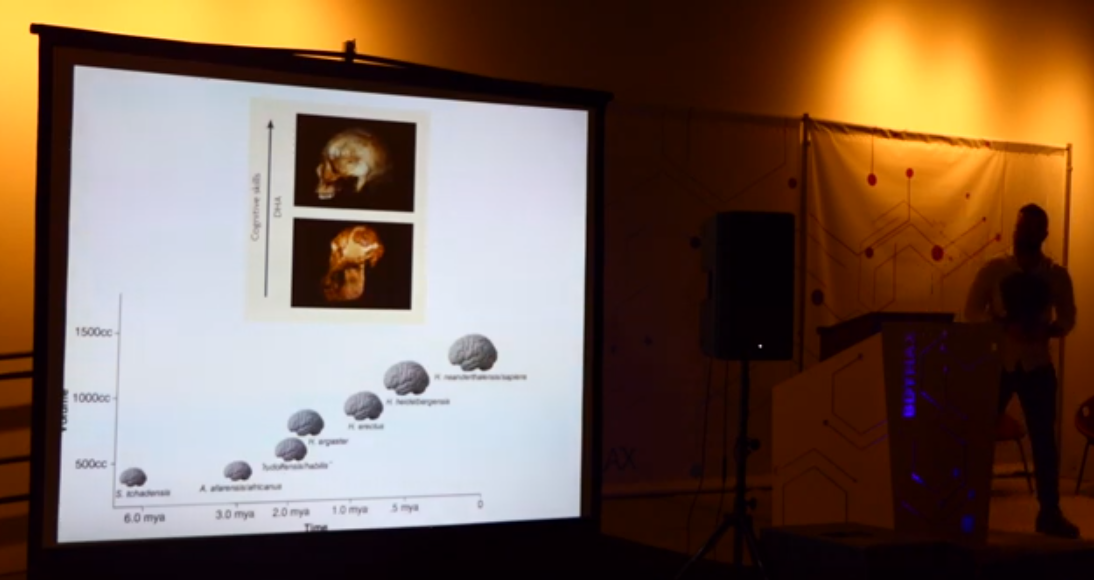
  • Evolution, exaptation and how a molecule in fish led to the growth in human brain size
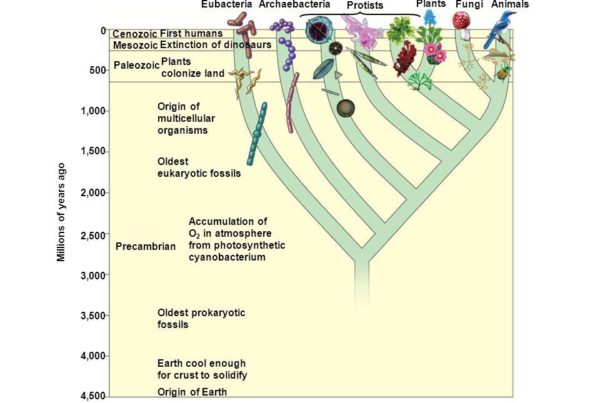
  • Plants and humans share common cellular machinery and pathways
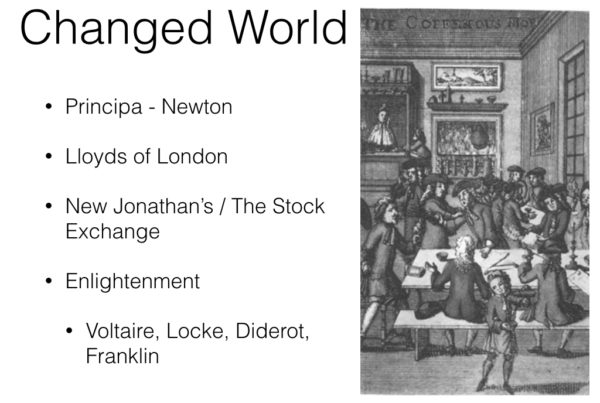
  • How coffee lead to Newton’s theory of gravity
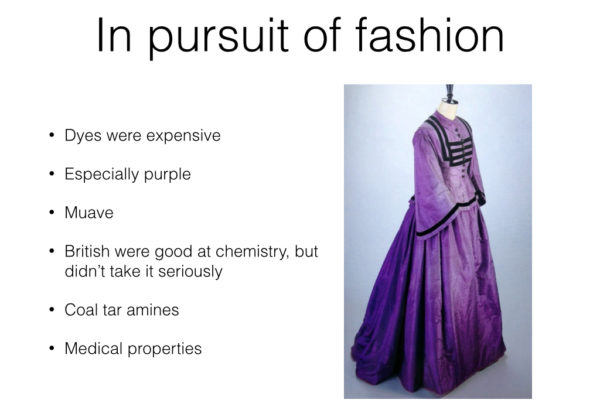
  • How the pursuit of fashion led to the invention of modern organic chemistry
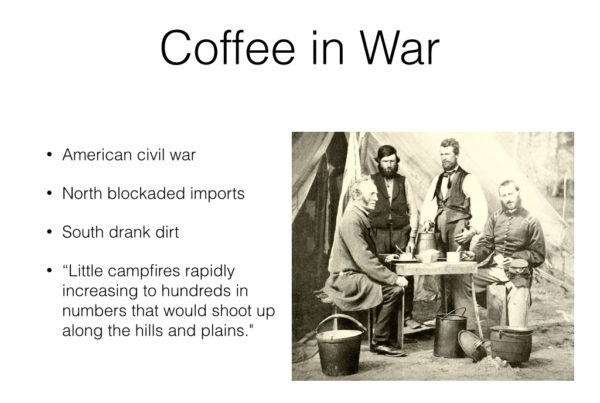
  • The hidden role cognitive enhancers have played in shaping the course of human history from the Enlightenment to the Civil War and beyond
  • Ways that “cognitive enhancement” has gone wrong, especially their extensive use by Nazis in WWII
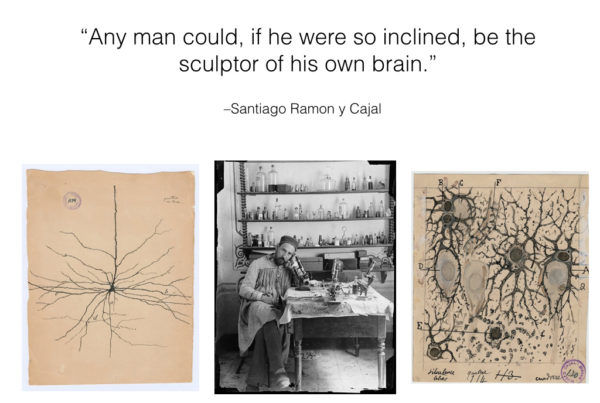
  • Advances in neuroscience that lead to the introduction of the nootropic concept
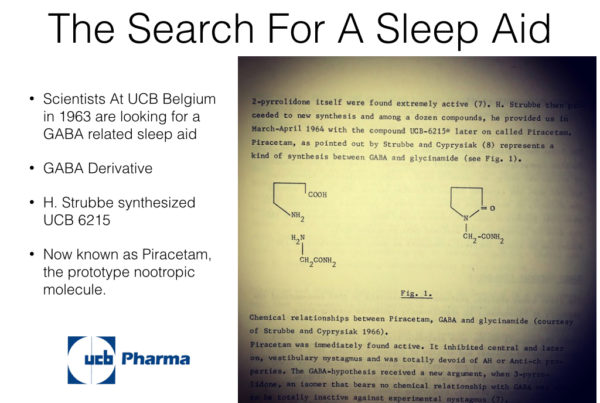
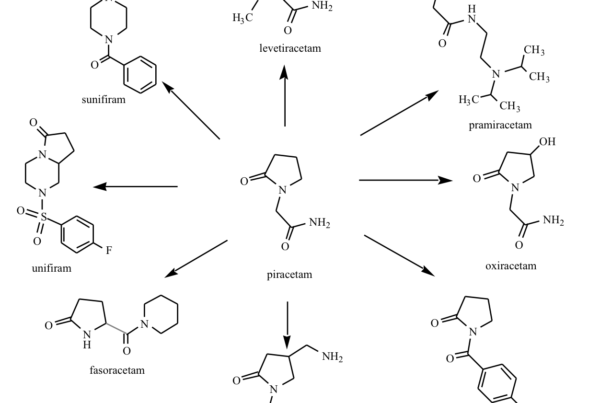
  • How a failed search for a sleep aid led to the discovery of piracetam
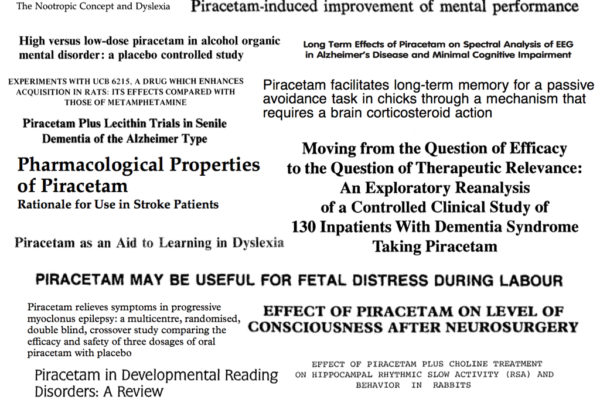
  • An overview of the wide-ranging applications of nootropics
  • A look at where nootropics are today and where they are heading

"Enhancing the Mind" Interview With Simulation Series

Chapters

  1. Chapter 1: DHA – The Limiting Factor Of Brain Growth In Evolution

  2. Chapter 2: Plants, Insects and the Human Brain

  3. Chapter 3: Coffee and the Enlightenment

  4. Chapter 4: Making Chemistry Fashionable

  5. Chapter 5: Neuroscience of the 20th Century

  6. Chapter 6: Drugs For Good and Evil (Coffee, Stimulants and War)

  7. Chapter 7: An Accidental Discovery With Unusual Properties

  8. Chapter 8: Nootropics: Towards the Mind

  9. Chapter 9: From Premature Babies To Geriatric Patients

  10. Chapter 10: From the Lab to the Web, Increasing the Speed of Science